





Article: Edging for Beginners: How to Build Arousal Without Performance Pressure
Edging for Beginners: How to Build Arousal Without Performance Pressure
Pleasure does not have to be a race toward orgasm.
Sometimes the most interesting part of a sexual experience is the build-up: noticing what your body responds to, letting excitement rise, easing back before climax and returning when you are ready. This practice is commonly called edging.
Edging can be explored alone or with a partner, with hands or toys, and by people with different bodies and orgasm patterns. Some enjoy the sense of anticipation. Some use it to become more familiar with their arousal. Others simply like making pleasure last longer.
It is not a requirement for “better” sex, a guarantee of a more intense orgasm or a test of how long you can last. There is also no correct number of pauses, no ideal session length and no need to orgasm at the end.
This beginner-friendly guide explains what edging is, how to recognise your arousal curve, how to pause without losing the mood, how toys can help, and how to keep the experience comfortable, consensual and pressure-free.
What Is Edging?
Edging is the practice of approaching orgasm, then reducing or stopping stimulation before passing the point where orgasm feels inevitable. Once arousal settles slightly, stimulation begins again. This rise-and-pause pattern can happen once or several times.
The “edge” is not a precise anatomical line. It is the personal moment when you recognise that continuing in exactly the same way is likely to carry you into orgasm.
For one person, the signal may be a sudden increase in genital sensitivity. Another may notice their breathing become shallow, their muscles tighten or a feeling of inevitability appear. Learning those signals is a central part of the practice.
Edging can involve:
- Clitoral or vulval stimulation
- Penile stimulation
- Nipple or other erogenous-zone play
- Oral sex
- Vaginal or anal stimulation
- Masturbation sleeves, vibrators or other toys
- Partner-controlled stimulation
- Any combination that feels safe and pleasurable
The goal is not necessarily to stay at the highest possible intensity. Good edging often involves moving through a range of sensations instead of repeatedly slamming on the brakes at the last second.
Why Do People Try Edging?
People edge for different reasons, and none is more valid than another.
To extend pleasure
Pausing can make a session feel spacious rather than rushed. The experience becomes about the whole curve of arousal, not only the final few seconds.
To learn their body’s signals
Many people know when orgasm has already begun but struggle to identify the earlier signs. Edging offers an opportunity to notice changes in breath, tension, sensitivity, erection, lubrication and mental focus.
To introduce variety
Changing speed, pressure, location and rhythm can make familiar touch feel new. A pause can also create anticipation without requiring a new position or product.
To share control with a partner
Some couples enjoy taking turns guiding the pace. This can feel playful, intimate or erotic when it is clearly agreed and easy to stop.
To explore ejaculatory control
The stop-start method is sometimes used as one part of support for premature ejaculation. Recreational edging resembles this method, but it is not a guaranteed treatment and does not address every cause of rapid ejaculation.
If ejaculation regularly happens sooner than you want and causes distress, a doctor, sexual-health professional or qualified sex therapist can help. Treatment may involve medical, behavioural, pelvic-floor, psychological or relationship support depending on the cause.
Because anticipation itself feels good
Pleasure does not need a therapeutic justification. You may simply enjoy the tension of getting close and stepping back.
What Edging Cannot Promise
Online advice sometimes presents edging as a reliable way to create explosive orgasms, cure sexual difficulties or transform stamina. Bodies are more individual than that.
Edging may make an orgasm feel more intense for some people. For others, the final orgasm feels similar, gentler or harder to reach. Some lose arousal during the pause and do not mind. Others discover that prolonged stimulation makes them sensitive, numb or frustrated.
Edging does not prove sexual skill. It cannot guarantee:
- A stronger or multiple orgasm
- A particular session length
- Permanent ejaculatory control
- A cure for delayed orgasm or premature ejaculation
- Greater satisfaction for a partner
- An orgasm every time
Treat it as an experiment, not a performance target.
Learn Your Arousal Scale
It can be difficult to pause at the right moment if “not aroused” and “about to orgasm” are the only stages you notice. A simple ten-point scale can make the build-up easier to read.
| Level | What it might feel like |
|---|---|
| 1–2 | Relaxed, interested or enjoying touch without much genital arousal |
| 3–4 | Pleasure is building; sensitivity, lubrication or erection may increase |
| 5–6 | Clearly aroused and absorbed; stimulation feels increasingly compelling |
| 7–8 | Close to orgasm, with stronger tension, faster breathing or an urge for consistency |
| 9 | The point of inevitability is very near and stopping may no longer prevent orgasm |
| 10 | Orgasm |
These numbers are not medical measurements. They are a communication tool.
For a first attempt, try reducing stimulation around your personal seven rather than waiting for a nine. An earlier pause is easier to manage and less likely to feel abrupt. Once you understand your pattern, you can decide how close you enjoy getting.
Some people do not experience arousal as a smooth upward line. It may rise, flatten, drop and return. Medication, stress, hormones, disability, pain, alcohol, fatigue and the type of stimulation can all affect the pattern. Your scale only needs to make sense to you.
How to Edge by Yourself: A Simple Beginner Method
Solo practice can be the easiest way to learn because you control every change and do not need to explain the timing while aroused.
1. Set a low-pressure intention
Decide that the session is for noticing, not achieving. You might plan to explore one pause and then continue however you like.
Do not begin with a target such as lasting thirty minutes or completing five edges. A quota can turn body awareness into another form of pressure.
2. Get comfortable
Choose a private space where you are unlikely to be interrupted. Support your body with pillows if needed, keep lubricant within reach and make sure you can change position easily.
If you are using a toy, learn its controls before you become highly aroused. You should be able to reduce the intensity or switch it off without searching for a button.
3. Begin below your usual intensity
If you normally start fast or strong, begin more gently. Explore the surrounding areas rather than moving immediately to the most sensitive point.
The aim is not to deny yourself what feels good. It is to create enough room to notice the build-up.
4. Pay attention to early signs
Notice what changes as arousal increases:
- Does your breathing speed up or pause?
- Do your thighs, buttocks, abdomen or pelvic floor tighten?
- Does your touch become faster or more repetitive?
- Do you feel an urge not to change anything?
- Does your attention narrow to one sensation?
- Does the clitoris or head of the penis become more sensitive?
These clues can help you recognise level seven before level nine arrives.
5. Reduce stimulation
When you feel close, choose one of three options:
- Stop: remove direct genital stimulation for a moment.
- Slow: keep contact but use a gentler pace or pressure.
- Shift: move to a less sensitive area, such as the inner thighs, shaft, outer vulva, nipples or torso.
Stopping completely works well for some people, while others lose the mood and prefer slowing or shifting. There is no superior method.
6. Let arousal settle, not disappear
Breathe normally, relax any muscles you are gripping and wait until the urgent feeling reduces. You do not need a stopwatch. Resume when you feel you have room to build again.
If arousal drops more than expected, that is not failure. Begin again gently or decide that the session is complete.
7. Repeat only if it still feels good
One pause is edging. You may want another cycle, or you may prefer to orgasm, stop without orgasm or switch to a different kind of touch.
Your body does not owe the experiment a particular ending.
Edging With a Vulva or Clitoris
Many people with vulvas orgasm through clitoral stimulation, whether that touch is direct or through the clitoral hood and surrounding tissue. Because sensitivity can rise quickly, small changes are often enough to move away from the edge.
Try changing location before stopping entirely
If direct clitoral touch is bringing you close, move to the outer vulva, mons pubis, inner thighs or the area beside the clitoris. Maintaining contact can preserve the feeling of continuity while reducing intensity.
Change pressure or rhythm
Switch from firm circles to broad strokes, from continuous vibration to short contact, or from a consistent rhythm to slower movement. Sometimes lifting pressure slightly is enough.
Be aware of oversensitivity
After several build-ups, the clitoris may feel extremely sensitive or temporarily numb. Do not respond by automatically increasing power. Move away from direct contact, lower the setting or take a proper break.
Persistent numbness, pain, tingling or altered sensation should be discussed with a healthcare professional.
Penetration is optional
Edging does not require vaginal penetration. If you enjoy internal stimulation, you can combine it with clitoral touch or alternate between the two. Use lubricant and never continue through pain.
Edging With a Penis
The point after which ejaculation cannot easily be stopped is sometimes described as ejaculatory inevitability. Beginner edging works best when stimulation changes before this point.
Notice the build-up before the final urge
Signs may include increased pelvic-floor tension, a stronger urge to thrust, tightening around the base of the penis or a feeling that the current rhythm must continue.
Pause earlier than you think during your first few attempts. Waiting until ejaculation has begun is too late to prevent it—and there is nothing wrong if that happens.
Adjust more than speed
You can reduce pressure, loosen your grip, move from the head to the shaft, change stroke length or stop using a sleeve temporarily. A tight grip is not required and may increase friction or contribute to temporary desensitisation.
Do not force an erection to stay identical
The erection may soften during a pause and return with stimulation. That is a normal response, not a problem that must be corrected immediately.
About arousal discomfort
Prolonged arousal without orgasm can sometimes cause a temporary feeling of pressure or aching in the testicles. Similar heaviness can occur around the vulva because genital tissues remain engorged with blood.
This discomfort is not a reason to pressure yourself or a partner to continue. It usually settles as arousal reduces. Stop the session, change activity or allow the body time to return to baseline.
Severe, unexplained or persistent genital pain needs medical assessment. A painful erection lasting longer than three to four hours is an emergency and requires urgent care.
How to Use a Vibrator for Edging
Vibrators can make edging easier because the intensity is consistent and adjustable. They can also bring arousal up quickly, so the controls matter.
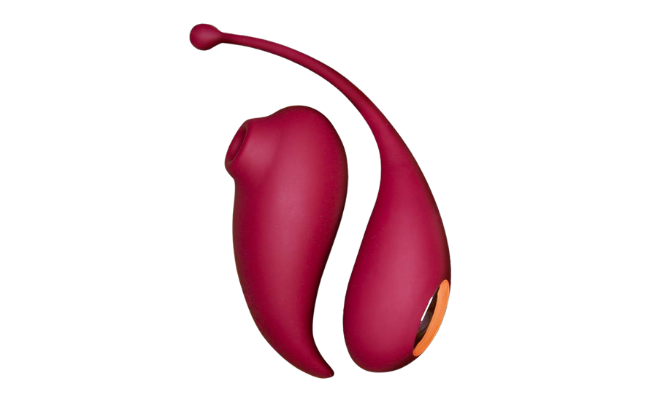
Dear Desire’s bullet-vibrator collection includes compact toys that can be moved easily between more and less sensitive areas. A bullet is only one option; clitoral, wand, wearable and dual-stimulation toys can also be used if their controls suit you.
Look for usable low settings
The lowest setting should feel genuinely gentle to your body. More power is not always more useful when the goal is to notice gradual changes.
Choose separate increase and decrease controls if possible
A toy that lets you step down directly is easier to manage than one that forces you to cycle through every pattern or highest setting before returning to low.
Lift rather than switch off
If stopping the motor breaks your focus, keep it running and lift the toy away from direct contact. Move to the inner thighs, outer vulva, perineum or another comfortable external area.
Try steady modes first
Patterns can be enjoyable, but changing pulses may make your arousal harder to read. A steady low or medium setting provides a clearer baseline for beginners.
Do not chase numbness with more intensity
If sensation becomes muted, take a break. Continuing at higher power or pressing harder may create irritation without restoring pleasure.
Remember that app control is still consent-based
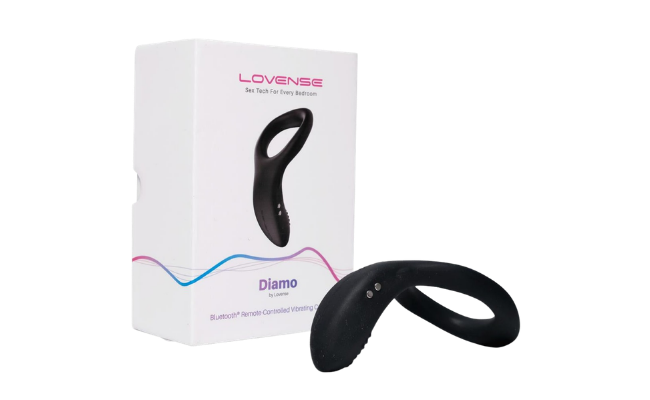
An app-controlled toy can allow a partner to vary intensity from nearby or at a distance. The person wearing or receiving the stimulation must still be able to stop immediately. Agree on signals, limits and what happens if the connection fails.
Using a Masturbator or Sleeve for Edging
Sleeves and masturbators can provide consistent pressure and texture, which may help someone notice the approach to ejaculation. They can also create intense stimulation quickly.
Explore Dear Desire’s male-masturbator collection if this style suits you, but choose based on fit, material, cleaning requirements and control, not a promise that a product will make you last longer.
For edging:
- Use plenty of compatible lubricant
- Start with slower, shorter strokes
- Pause or remove the sleeve before the urge becomes inevitable
- Avoid gripping the outside so tightly that pressure becomes uncomfortable
- Add lubricant if you notice drag
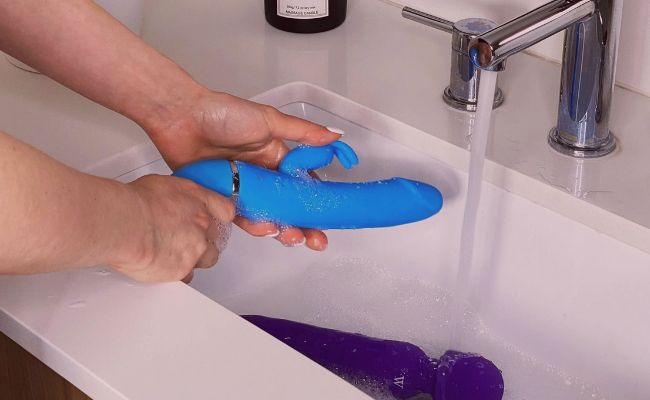
- Clean and dry the sleeve exactly as instructed after use
If you use the strongest suction, tightest setting or fastest motor immediately, it may be difficult to detect the earlier stages of arousal. Begin lower and build deliberately.
Edging With a Partner
Partnered edging can be intimate because it requires attention and communication. It can also become frustrating or coercive if one person controls the other’s orgasm without clear agreement.
Discuss it before sexual activity
Talk while you are both calm and clothed. Explain what edging means to you and what sounds appealing.
Ask:
- Who will control the stimulation?
- Is orgasm the intended ending, an option or off the table?
- How will the receiving person indicate that they are close?
- What words mean slow down, pause and stop?
- Are teasing, restraint or power-play elements wanted?
- How long does each person want to explore?
Consent to sex is not automatically consent to orgasm control. If edging is combined with bondage, remote control or orgasm denial, agree on those elements separately.
Use simple signals
A traffic-light system can work well:
- Green: continue
- Yellow: reduce intensity, pressure or speed
- Red: stop
The receiving person can also call out a number on the arousal scale. “Seven” may mean begin slowing down, while “eight” may mean stop immediately. Decide what the numbers mean together.
Do not treat the partner’s body like a puzzle to beat
The goal is not to prove that you can hold someone at the edge perfectly. Bodies fluctuate. An orgasm may happen unexpectedly, or arousal may disappear. Respond with warmth rather than disappointment.
Share attention
When one person is being edged, the other person’s pleasure should not become invisible. Take turns, use hands or toys simultaneously, or agree that this session focuses on one person and another session will focus on the other.
Include a graceful exit
Either person can end the activity without needing a dramatic reason. You might move to cuddling, mutual masturbation, another sexual activity or sleep. Arousal does not create an obligation to finish.
Dear Desire’s couples-toy collection offers options for shared stimulation, but communication is the feature that matters most.
Lubricant Makes Longer Sessions More Comfortable
Edging can involve more repeated contact than your usual routine. Lubricant helps reduce friction and can make changes in speed or pressure feel smoother.
Water-based lube is widely compatible with toys and condoms. It may dry or become tacky during a longer session, so keep it nearby and reapply.
Silicone-based lube lasts longer but may not be compatible with every silicone toy. Check the instructions for both the lubricant and toy before combining them.
Oil-based products can weaken latex and polyisoprene condoms. If a condom is part of your contraception or safer-sex plan, use a compatible water- or silicone-based lubricant and confirm the label.
Never continue through dry, burning or pulling sensations. Add lubricant, reduce pressure or stop.
Edging Variations to Try
Once the basic stop-start rhythm feels comfortable, variation can keep the practice playful.
The slow-down edge
Instead of stopping, gradually reduce speed and pressure until arousal settles. This can feel less abrupt and may suit people who lose focus during a full pause.
The change-of-location edge
Move from direct genital stimulation to surrounding areas while maintaining touch. Return only when sensitivity has decreased.
The hands-to-toy edge
Build arousal with a hand, switch to a toy, then return to manual touch when you approach the edge. The change in sensation may naturally regulate intensity.
The full-body edge
Shift attention away from the genitals to kissing, massage, nipples, neck, inner thighs or another agreed erogenous zone. This makes the experience less narrowly focused on climax.
The mutual edge
Each partner controls their own body while staying connected through eye contact, conversation or touch. This allows both people to regulate their own pace.
The tease-and-ask edge
One partner guides the stimulation but checks in before resuming: “More?”, “Slower?” or “Do you want to come?” The question itself can become part of the anticipation.
Common Edging Mistakes
Waiting until the very last second
Beginners often pause too late because they want to get as close as possible. Start earlier. There is no penalty for leaving more space.
Treating the session like endurance training
Longer is not automatically better. If your body feels tired, irritated or bored, stop. Pleasure is not measured in minutes.
Clenching the whole body
People may hold their breath and tighten the thighs, abdomen, buttocks and pelvic floor as arousal rises. This can make the edge arrive suddenly and may contribute to tension.
Try exhaling, relaxing your jaw and noticing whether you can soften muscles that do not need to work.
Increasing intensity after numbness
Reduced sensation is a cue for rest, not necessarily more power. Switch location or end the session.
Forgetting lubricant
Repeated friction can irritate skin and delicate tissue. Reapply before discomfort begins.
Assuming an orgasm must happen
You may decide not to climax, or your body may simply not get there. Sex and masturbation can still be pleasurable without orgasm.
Turning a partner’s orgasm into a reward
Consensual power play may include negotiated orgasm control, but outside that agreement, nobody should have to earn the right to stop or climax. Withholding orgasm is not playful when it ignores the receiving person’s wishes.
Using edging to avoid medical support
Occasional changes in orgasm timing are common. Persistent premature ejaculation, delayed orgasm, erection difficulties, pain or numbness may have medical, medication-related, psychological or relationship factors. Edging is not a substitute for assessment.
Is Edging Safe?
For most adults, gentle edging is a low-risk sexual practice. The main concerns are the same as with other prolonged sexual activity: friction, soreness, temporary sensitivity changes, muscle tension, pressure to continue and exposure to pregnancy or sexually transmitted infections during partnered activities.
Keep it comfortable:
- Use lubricant and reapply as needed
- Keep pressure and toy intensity within a comfortable range
- Take breaks before numbness or soreness develops
- Clean toys according to their instructions
- Use appropriate barriers and contraception
- Change condoms between users or body openings when sharing toys
- Stop for pain, bleeding, persistent numbness, swelling or skin injury
- Seek urgent care for an erection lasting longer than three to four hours
Temporary genital heaviness after prolonged arousal can occur and normally settles as arousal decreases. It is never a justification for pressuring someone into sex or orgasm.
Edging and Premature Ejaculation
The stop-start technique may help some people learn to recognise the sensations that precede ejaculation. It can be practised during masturbation or with a partner by pausing before the urge becomes unavoidable and resuming once it decreases.
However, not every experience of ejaculating sooner than desired is a disorder. A clinician considers frequency, control, timing, distress and the person’s sexual context. Anxiety, erection concerns, relationship stress, health conditions and other factors may play a role.
If the issue is ongoing or upsetting:
- Speak to a doctor or sexual-health clinic
- Consider a qualified sex therapist
- Ask whether pelvic-floor assessment is appropriate
- Review medications and health conditions with a professional
- Avoid unregulated numbing or enhancement products
Practising with curiosity is different from monitoring every second. If edging increases performance anxiety, take it out of the routine.
Frequently Asked Questions About Edging
Does edging mean stopping an orgasm completely?
Not necessarily. You can pause once and then orgasm, repeat several cycles, or finish without orgasm. The ending is your choice.
How long should an edging session last?
There is no recommended duration for recreational edging. Stop when you feel satisfied, tired, sore, numb, distracted or simply ready to do something else.
How many times should a beginner edge?
One pause is enough to learn from. There is no required number. Repeating the cycle only makes sense while it remains comfortable and enjoyable.
Does edging make orgasms stronger?
Some people report a more intense orgasm after a longer build-up, while others notice little difference or find orgasm harder to reach. It is a possibility, not a promise.
Can people with vulvas edge?
Yes. Edging is not limited by gender or anatomy. Clitoral, vulval, vaginal, nipple and other forms of stimulation can all be adjusted as arousal rises.
Is edging the same as the stop-start technique?
They use a similar pause-and-resume pattern. “Edging” often describes pleasure exploration, while the stop-start technique may be discussed clinically for ejaculatory control. A recreational practice should not be treated as a guaranteed medical intervention.
Can edging help me last longer during sex?
It may help you become more aware of your arousal and practise changing stimulation before orgasm. Results vary. If rapid ejaculation is persistent and distressing, seek professional support.
Can edging cause “blue balls”?
Prolonged arousal without ejaculation may cause temporary aching or pressure in the testicles. Similar heaviness can occur around the vulva. It is generally short-lived and is not a reason anyone owes another person sexual contact.
Can I edge with a vibrator?
Yes. Use adjustable settings, start lower than usual and reduce intensity or move the toy away from direct contact as you approach orgasm. Take a break if you become numb or sore.
Can I edge with a masturbation sleeve?
Yes. Use generous compatible lubricant, avoid excessive suction or grip, and pause early enough to let the urge to ejaculate settle.
Can edging make it harder to orgasm?
A long session, repeated interruptions, fatigue, numbness, anxiety or overthinking can make orgasm harder in the moment. Take a break or return to the stimulation you normally enjoy. There is no need to force an ending.
Is it unhealthy not to orgasm after being aroused?
No. Orgasm is not required to make arousal medically safe. Temporary heaviness or discomfort can occur, but severe or persistent pain should be assessed.
What if I orgasm before I meant to?
Nothing went wrong. The edge is learned through experience, and bodies are not machines. Enjoy the orgasm or end the session without turning it into a mistake.
When should I stop edging?
Stop if you feel pain, burning, numbness, skin irritation, unwanted emotional discomfort or pressure to continue. Seek medical advice for persistent symptoms and urgent care for a prolonged painful erection.
Pleasure Is More Than the Finish Line
Edging offers a simple idea: instead of treating orgasm as the only meaningful part of sex, pay attention to the journey toward it.
Start gently. Learn what your seven out of ten feels like. Slow down, stop or move elsewhere before the sensations become inevitable. Use lubricant, choose controls you can manage easily and let your body decide whether the experience ends in orgasm, another kind of pleasure or a comfortable pause.
With a partner, make consent and communication part of the turn-on. Nobody should be kept waiting, denied release or pushed past their limits without an enthusiastic agreement that can be withdrawn at any time.
The best edging session is not the longest or most dramatic. It is the one that leaves you feeling curious, comfortable and more connected to your own signals.


Leave a comment
This site is protected by hCaptcha and the hCaptcha Privacy Policy and Terms of Service apply.