




Water-Based vs Silicone Lube: How to Choose the Right Lubricant
Choosing lube should be simple. Then you see water-based, silicone-based, oil-based, hybrid, warming, flavoured, sensitive and toy-friendly formulas—and suddenly a small bottle feels like a major life decision.
The good news is that there is no single “best” lubricant for everyone. The right lube depends on what you are using it for, what it needs to be compatible with and how you want it to feel.
Water-based lube is usually the easiest all-round choice. Silicone lube lasts longer and performs well when water or extended play is involved. Oil-based products can feel rich and long-lasting, but they require far more care around condoms and intimate products.
And one important reminder before we compare them: using lube does not mean your body is failing, you are not attracted to your partner or you “should” be more aroused. Natural lubrication changes with hormones, medication, stress, hydration, age, breastfeeding, menopause, the stage of your cycle and the kind of stimulation you are enjoying. Arousal and lubrication are related, but they are not identical.
Lube is not a verdict on desire. It is simply a tool for making pleasure more comfortable.
Water-Based vs Silicone Lube: The Quick Answer
Choose water-based lube when you want a versatile, beginner-friendly option that is easy to wash away and suitable for use with condoms and most sex toys.
Choose silicone lube when you want a silkier, longer-lasting glide for extended sessions, massage or water play. Check both the lubricant and toy instructions before pairing silicone lube with a silicone toy.
Choose oil-based lube only when you have confirmed that it is suitable for the intended intimate use and compatible with every barrier and product involved. Oil can weaken latex and polyisoprene condoms.
When you are unsure, a simple water-based personal lubricant is usually the safest place to begin.
Lubricant Comparison Table
| Feature | Water-based lube | Silicone lube | Oil-based lube |
|---|---|---|---|
| Feel | Light, natural and easy to spread | Very silky and slippery | Rich, smooth and often heavier |
| Staying power | May need reapplication | Long-lasting | Long-lasting |
| Easy to clean | Yes | Requires more thorough washing | Can leave residue and stain fabric |
| Suitable for latex condoms | Yes | Yes | No |
| Suitable for polyisoprene condoms | Yes | Yes | No |
| Sex-toy compatibility | The easiest general option for most materials | Check before using with silicone toys | Check the toy and lubricant instructions carefully |
| Water play | Washes away quickly | Performs well in water | Water-resistant but not always suitable for internal use |
| Beginner-friendly | Excellent all-round starting point | Good when staying power matters | Requires more compatibility checks |
| Best known for | Versatility | Long-lasting glide | Massage-like feel |
Compatibility can vary by formula and product. Always read the instructions on your lubricant, condom and sex toy rather than relying only on the base category.
What Does Personal Lubricant Do?
Personal lubricant reduces friction during sexual activity.
That can make touch, penetration, masturbation and toy use feel smoother and more comfortable. It can also help a condom move with the body instead of being placed under unnecessary friction.
Lube can be useful during:
- Solo masturbation
- Partnered touch
- Vaginal penetration
- Anal play
- Oral sex, when the product is specifically labelled for it
- Sex-toy use
- Male-masturbator use
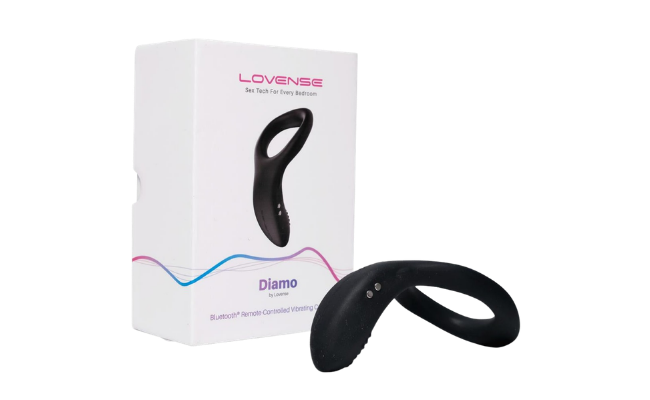
- Cock-ring placement
- Massage
- Menopause, postpartum or other times when vaginal dryness occurs
You do not need to wait for discomfort before reaching for it. Lube can be part of pleasure from the beginning, not an emergency response once friction has already interrupted the moment.
Water-Based Lube
Water-based lubricant is the most versatile category and the one we recommend most often to first-time buyers.
Its main ingredient is water, which usually gives it a lighter texture and makes it easy to spread and rinse away. It works well across solo play, partnered sex and many different toy collections.
Why people choose water-based lube
- It is compatible with latex and polyisoprene condoms.
- It is the easiest general choice for different sex-toy materials.
- It rinses away with water.
- It usually leaves less residue on the body and bedding.
- It is available in light, gel and thicker formulas.
- It is easy to reapply.
- It often feels familiar and natural on the skin.
What to consider
Because it contains water, this type of lube can gradually absorb or evaporate. You may need to add more during longer sessions.
Some formulas can also become tacky as they dry. That does not necessarily mean the product is poor quality; it may simply need a little water or another small application.
Water-based lube also washes away quickly in the bath or shower, so it is not usually the strongest option for water play.
Water-based lube is best for
- Beginners
- Silicone toys and mixed toy collections
- Male masturbators and soft sleeves
- Latex or polyisoprene condoms
- Cock rings
- Everyday solo or partnered play
- People who prefer easy cleanup
- Anyone who wants one flexible bottle for several uses
Silicone Lube
Silicone-based lubricant is known for its silky texture and staying power.
Unlike a water-based formula, it does not evaporate or wash away as quickly. A small amount can provide a consistent glide for longer, which may mean fewer interruptions to reapply.
Why people choose silicone lube
- It stays slippery for longer.
- A small amount can go a long way.
- It performs well in the bath or shower.
- It can be helpful during longer sessions.
- It tends to feel very smooth and silky.
- It is compatible with latex and polyisoprene condoms.
- It can work well for skin-to-skin massage when the label permits.
What to consider
Silicone lube takes more effort to remove from skin and fabric than water-based lube. It may also leave marks on some bedding, so placing down a towel is a sensible precaution.
The biggest question is toy compatibility. Some manufacturers advise against using silicone lubricant with silicone toys because the formula may affect the toy’s finish or material. Other combinations may be compatible. Follow the care instructions for the exact toy and lubricant you own. When you cannot confirm compatibility, use water-based lube with a silicone toy.
Silicone lube is best for
- Longer sessions
- Water play
- People who dislike frequent reapplication
- Latex or polyisoprene condoms
- Glass, metal or compatible hard-material toys
- Massage when the product is approved for that use
- Situations where a very silky glide is preferred
Oil-Based Lube
Oil-based lubricants include purpose-made intimate oils as well as products people sometimes improvise with, such as coconut oil, baby oil, petroleum jelly or body lotion.
The fact that something feels slippery does not automatically make it a suitable personal lubricant.
The most important oil-based rule
Do not use oil-based lubricant with latex or polyisoprene condoms. Oil can weaken these materials and increase the chance of breakage.
Compatibility differs with other condom materials, but guessing is not worthwhile. Check the instructions on the condom packaging and the lubricant before combining them.
Oil can also be difficult to wash away, may stain fabric and may not be suitable for every toy or every person’s intimate skin. Household oils, lotions and petroleum products were not necessarily formulated or tested for genital use.
If you prefer an oil-based product, choose one specifically made and labelled for the type of intimate use you have in mind. Do not treat the contents of the kitchen or bathroom cupboard as a substitute shelf.
What About Hybrid Lube?
Hybrid lubricants usually combine water and a smaller amount of silicone.
They aim to offer the lighter cleanup of a water-based lube with more staying power. This can be a useful middle ground when water-based products dry too quickly but a full silicone formula feels heavier than you want.
The word “hybrid” does not guarantee compatibility with every toy. Because the product contains silicone, check the label and your toy’s care instructions before use.
How to Choose Lube for Your Situation
The easiest way to choose is to start with the activity and work backwards.
Best lube for beginners
Start with a simple water-based lubricant.
It offers the fewest compatibility complications, works with condoms and most toys, and cleans up easily. Once you understand the texture and staying power you prefer, you can explore thicker water-based, silicone or hybrid formulas.
Best lube for sex toys
Water-based lube is the easiest default for most toy collections.
It is particularly useful when you own toys made from several materials or cannot remember which bottle belongs with which toy. Apply a small amount to both the body and the part of the toy that will make contact with it, then add more as needed.
If you want to use silicone or oil-based lube, check the instructions for the exact toy first.
Best lube for male masturbators
Use water-based lubricant unless the manufacturer clearly recommends something else.
Soft masturbator sleeves are often made from materials that can be damaged by oil or incompatible silicone formulas. Add lube to the opening, inside the sleeve and onto the body as needed. Reapply if the product begins to drag.
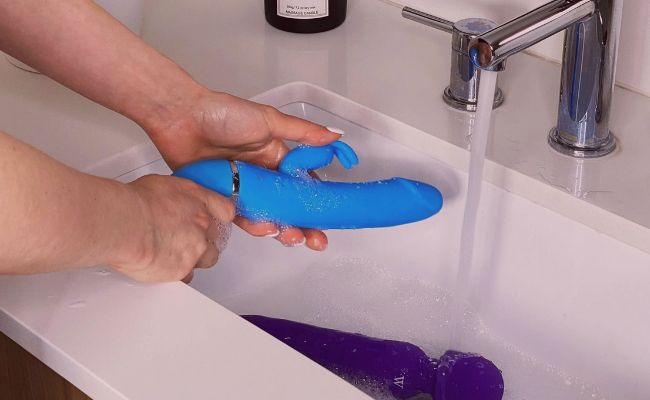
After use, wash and dry the masturbator according to its care instructions. Lube makes the experience smoother, but thorough cleaning and complete drying protect the product afterwards.
Best lube for cock rings
A small amount of water-based lubricant can make a stretchy cock ring easier to position and remove.
Use only enough to reduce pulling on the skin. Too much can make the ring difficult to control during placement.
The lubricant does not change the safety rules: a cock ring should feel snug, never painful, and must be removed immediately if there is numbness, coldness, pain or unusual discolouration.
Best lube for condoms
Use water-based or silicone-based lubricant with latex and polyisoprene condoms.
Avoid oil-based products, petroleum jelly, body lotion, baby oil and cooking oils with those condom materials. If you use another type of condom, read its instructions rather than assuming the compatibility is the same.
Lube is not contraception and does not prevent sexually transmitted infections on its own. It supports comfort and condom use; it does not replace the condom.
Best lube for vaginal dryness
Water-based lube is a practical first choice because it is easy to use, easy to clean and compatible with condoms. Silicone lube may suit someone who needs a longer-lasting glide and finds frequent reapplication disruptive.
Choose an unscented, unflavoured formula if you know your vulva is sensitive. If a product causes burning, itching or irritation, stop using it.
Lubricant offers short-term glide during sexual activity. A vaginal moisturiser is a different product intended for ongoing dryness between sexual experiences.
If dryness is persistent, new, painful, accompanied by bleeding or affecting daily comfort, speak to a qualified healthcare professional. More lubricant is not a substitute for understanding a health concern.
Best lube for sensitive skin
“Sensitive” is not one universal skin type, so there is no ingredient list that works for everyone.
Look for a simple, clearly labelled personal lubricant and consider avoiding added fragrance, flavour, warming or cooling ingredients if you are prone to irritation. Test a small amount externally first. Stop if the product stings or causes redness, itching or swelling.
If you have recurrent irritation, vulvar pain or a diagnosed skin condition, ask a healthcare professional for individual guidance.
Best lube for anal play
The anus does not self-lubricate, so generous lubrication matters.
A thicker water-based lubricant is a versatile option, particularly when toys or condoms are involved. Silicone lube can provide longer-lasting glide when all toys and products being used are compatible with it.
Apply lubricant to the body and toy, finger or condom. Begin slowly and add more whenever friction increases. Numbing products are not a shortcut: pain is information, and reducing sensation can make it harder to notice an injury.
Best lube for water play
Silicone lube generally performs better in the bath or shower because it does not rinse away as quickly as water-based formulas.
Water also makes bathroom surfaces slippery. Use less than you think you need, keep the floor clear and make stability part of the plan.
Best lube for oral sex
Use only a product whose label confirms that it is suitable for oral use.
Flavoured lube can make oral play more appealing for some people, but fragrance and flavouring may irritate others. If the same session may move from oral to vaginal or anal contact, confirm that the formula is suitable for every intended use.
How to Read a Lubricant Label
A front label is designed to attract attention. The back label is where the useful decisions happen.
Check for:
- Base: water, silicone, oil or hybrid
- Intended use: external, vaginal, anal or oral
- Condom compatibility: especially for latex and polyisoprene
- Toy compatibility: including any material warnings
- Added effects: flavour, fragrance, warming, cooling or numbing
- Directions: how much to use and whether reapplication is recommended
- Warnings: irritation, allergies and incompatible products
- Expiry or period-after-opening information
- Storage instructions
Do not rely on words such as “natural,” “gentle” or “premium” alone. They may describe the brand’s positioning without telling you whether the lube works with your condom, toy or skin.
How to Use Lube
1. Check compatibility first
Read the instructions for the lubricant, condom and toy. The right lube needs to work with every product involved—not only with your body.
2. Begin with a small amount
Place a little lube on clean fingers, the body or the area of the toy that will make contact.
You can always add more. Starting with half the bottle usually creates more laundry than enlightenment.
3. Spread it where friction will occur
For penetration, apply lubricant at the entrance and to the finger, penis, toy or condom. For a masturbator, apply it to the opening, the internal sleeve and the body as needed.
4. Reapply when the sensation changes
Do not wait for dragging or discomfort. If a water-based product starts to dry, add more or follow the manufacturer’s directions for reactivating it.
5. Stop if it hurts
Lube can reduce friction, but it cannot make every activity safe or comfortable. Slow down, change angle, add more preparation or stop. Pain should not be something you simply lubricate your way through.
6. Clean up according to the product
Wash your body gently and clean toys according to their materials and waterproof rating. Close the lubricant bottle securely and store it away from excessive heat and direct sunlight.
Lube, Arousal and the Pressure to “Perform”
One of the most unhelpful myths about lube is that needing it means something has gone wrong.
Bodies are not machines that produce identical responses every time. Someone can be mentally excited and still experience little natural lubrication. Someone else can lubricate without wanting sex. Physical response is not a consent test and it is not a perfect measure of desire.
This matters in partnered sex because treating lubrication as proof of attraction can create pressure. A kinder conversation sounds like:
- “Would more lube feel good?”
- “Do you want to slow down?”
- “What kind of touch would feel better?”
- “Would you like to keep going or do something else?”
Lube belongs in the same category as pillows, blankets, music and a locked door: a practical way to make the experience more comfortable. It does not need an apology.
Lube vs Vaginal Moisturiser
Lubricant and vaginal moisturiser are not interchangeable.
Lubricant is applied around sexual activity to reduce friction and improve glide.
Vaginal moisturiser is used on a schedule to help manage ongoing dryness, including dryness that occurs outside sexual activity.
If dryness appears only during certain kinds of touch, lubricant and more time for arousal may be enough. If dryness is present in daily life, keeps returning or occurs with pain, bleeding or urinary symptoms, seek medical advice instead of relying only on lube.
Common Lubricant Mistakes
Assuming every slippery product is intimate-safe
Body lotion, petroleum jelly, baby oil and kitchen oils are not automatic substitutes for personal lubricant. They may irritate intimate tissue or conflict with condoms and toys.
Using oil with a latex or polyisoprene condom
Oil weakens these materials. Use water-based or silicone lube instead.
Pairing products without checking the labels
Compatibility is a three-part question: your body, your barrier and your toy. Confirm all three.
Using too little for anal play or a male masturbator
Both may need more lubricant than external touch. Add more as soon as friction increases.
Continuing after burning or irritation
Tingling may be marketed as an “effect,” but unexpected burning, itching or swelling is a reason to stop and wash the product away.
Using numbing lube to ignore pain
Pain helps you recognise when the body needs more time, a different approach or a stop. Masking it can make injury harder to notice.
Treating lube as a cure for ongoing pain
Lube reduces friction. It does not diagnose or treat every cause of painful sex. Persistent pain deserves professional care.
Forgetting the expiry date
Do not keep using a formula that has expired or changed colour, smell or texture. Follow the storage and disposal instructions on the packaging.
Frequently Asked Questions
Is water-based or silicone lube better?
Neither is universally better.
Water-based lube is the most versatile option because it is easy to clean and suitable for condoms and most toys. Silicone lube lasts longer and works well in water, but it requires more careful toy-compatibility checks.
What is the best lube for a first-time buyer?
A simple water-based lubricant is usually the easiest place to start. It works across many activities, condoms and toy materials, and it is easy to wash away.
Can I use silicone lube with a silicone toy?
Only if the instructions for both products confirm compatibility. Some manufacturers warn that silicone lube may affect silicone toy surfaces. Use water-based lube when you cannot verify the pairing.
Can I use water-based lube with condoms?
Yes. Water-based lube is compatible with latex and polyisoprene condoms. Silicone lube is also compatible with these condom materials.
Can I use coconut oil as lube?
Coconut oil is oil-based and should not be used with latex or polyisoprene condoms. It may also be unsuitable for some intimate skin and toys. A purpose-made personal lubricant with clearly stated compatibility is the more predictable choice.
Does lube mean I am not aroused?
No. Natural lubrication can change for many physical and emotional reasons and does not perfectly measure attraction, arousal or consent.
Can lube help with painful sex?
Lube may reduce friction and make penetration more comfortable. It will not resolve every cause of pain. Stop if sex hurts and speak to a healthcare professional when pain is persistent, severe or recurring.
What lube should I use with a male masturbator?
Water-based lube is the safest general choice for most soft sleeves and masturbators. Always check the manufacturer’s instructions because material compatibility can vary.
What lube should I use for anal sex?
A generous amount of thicker water-based lube works well when condoms or toys are involved. Silicone lube provides longer-lasting glide when every product being used is compatible. Reapply whenever friction increases.
Why does water-based lube become sticky?
Its water content can absorb or evaporate during use. Add a little more or follow the label’s instructions for reactivation. If the formula repeatedly irritates or feels unpleasant, try a different product.
Is warming or tingling lube safe for sensitive skin?
Added sensations can be uncomfortable for some people. If your skin is sensitive, an unscented and unflavoured formula without warming or cooling effects is a simpler starting point. Stop immediately if a product burns or irritates.
Find the Right Lubricant for You
Choose water-based lube when versatility, toy compatibility and easy cleanup matter most.
Choose silicone lube when you want longer-lasting glide, fewer reapplications or a formula that performs well in water.
Approach oil-based lube with extra care and never pair it with latex or polyisoprene condoms.
The best lube is not the bottle with the loudest promises. It is the one that feels comfortable, supports the kind of pleasure you want and works safely with your body, condoms and toys.
Explore Dear Desire’s lubricants and intimate-care essentials, available with discreet delivery across South Africa.


Leave a comment
This site is protected by hCaptcha and the hCaptcha Privacy Policy and Terms of Service apply.