






Article: Sex After Childbirth: A Gentle Guide to Recovery, Desire and Pleasure
Sex After Childbirth: A Gentle Guide to Recovery, Desire and Pleasure
Having a baby can change almost every part of daily life, including how you experience your body, touch, desire and intimacy.
You may miss sex and feel curious about reconnecting. You may want affection but not sexual touch. You may be physically healed yet emotionally nowhere near ready, or interested in pleasure but worried that something will hurt. You and your partner may also be moving at completely different speeds.
All of these experiences can be normal.
There is no prize for returning to sex quickly and no deadline by which desire must come back. A postnatal check-up can confirm that physical healing is progressing, but being medically cleared is not an instruction to have sex. Readiness also includes comfort, consent, energy, emotional safety and a genuine desire to participate.
This guide offers a compassionate way to think about sex after childbirth. It covers healing, vaginal dryness, painful sex, caesarean recovery, breastfeeding, contraception, pelvic-floor support, communication and the careful reintroduction of lubricant or toys. It is general information, not a substitute for advice from your doctor, midwife or pelvic-health professional.
The Quick Answer: When Can You Have Sex After Childbirth?
There is no single date that is right for everyone.
Healthcare professionals often discuss waiting around four to six weeks before resuming penetrative sex, but recovery depends on the birth, any tearing or stitches, bleeding, infection risk, caesarean healing, complications and how you feel. Some people need considerably longer.
Before vaginal or anal penetration, it is sensible to make sure that:
- Postpartum bleeding has stopped or your healthcare professional says it is safe
- Tears, an episiotomy and surgical wounds have healed
- You have no signs of infection or unexplained bleeding
- A doctor or midwife has assessed any complications
- You feel emotionally and physically ready
- You have chosen contraception if you do not want another pregnancy
- You can stop at any time without guilt, pressure or disappointment
Your postnatal appointment is a useful time to ask direct questions. If you had a third- or fourth-degree tear, significant blood loss, infection, pelvic-organ injury, a complicated caesarean birth or ongoing pain, ask for individual guidance before insertion or penetrative sex.
Sex does not have to mean penetration. Intimacy can restart with conversation, affection, massage, kissing, mutual touch or simply spending a few undistracted minutes together. Recovery is not a pass-or-fail test; it is a gradual process.
Why Sex Can Feel Different After Birth
Childbirth is a major physical and emotional event. Even an uncomplicated birth involves healing, hormonal changes, interrupted sleep and the demands of caring for a newborn. A difficult or frightening birth can add grief, anxiety or trauma.
Understanding these changes may replace self-criticism with context.
Postpartum bleeding and tissue healing
Bleeding and discharge after birth are known as lochia. The uterus is healing where the placenta was attached, and the cervix and surrounding tissues are recovering. This process takes time whether your baby was born vaginally or by caesarean section.
After a vaginal birth, the vulva and perineum may feel bruised, swollen, tender or unfamiliar. Tears and episiotomy wounds can remain sensitive after the skin looks closed. Scar tissue may feel tight, numb, raised or more sensitive than the surrounding area.
Do not insert a penis, fingers or toy while wounds are still healing unless your healthcare professional has specifically cleared you. Pain is not a sign that you should stretch or “push through.”
Recovery after a caesarean birth
A caesarean does not remove the need for postpartum recovery. The uterus, cervix and placental site still need to heal, and the abdominal incision may be sore or sensitive. Labour before surgery may also have affected the pelvic floor and vaginal tissues.
Positions that place pressure on the abdomen, require strong core effort or stretch the scar may be uncomfortable. Even when the incision looks healed from the outside, deeper layers are still recovering. Ask your healthcare professional when penetrative sex, exercise and lifting are appropriate for your circumstances.
Hormones and vaginal dryness
Oestrogen levels fall after birth and may remain lower during breastfeeding. This can make vulval and vaginal tissue feel drier, thinner or more sensitive. You might need lubricant even if you never used it before.
Dryness is not evidence that you are insufficiently attracted to your partner. It is a physical change, and arousal and lubrication do not always move together. Extra time, external stimulation and a suitable lubricant can help, but persistent burning, tearing or pain deserves medical attention.
Pelvic-floor changes
The pelvic floor supports the bladder, bowel and pelvic organs and plays a role in sexual sensation. Pregnancy itself places pressure on these muscles, while labour, birth injuries and surgery can change strength, coordination and sensation.
Some people notice leaking, heaviness, reduced sensation or difficulty controlling wind. Others develop a pelvic floor that holds too much tension, which can make penetration painful. This is why doing more Kegels is not automatically the answer. A pelvic-health physiotherapist can assess whether you need strengthening, relaxation, scar work or a different approach.
Fatigue, stress and mental load
Desire rarely thrives when your body expects to be interrupted, you are surviving on broken sleep or every touch feels like another request. Feeding, washing, appointments, housework and constant decision-making can leave little room for erotic attention.
This is not a personal failure or proof that your relationship has changed permanently. Desire is influenced by context. Practical support, rest and protected time may matter more than romantic gestures.
Feeling “touched out”
Feeding and caring for a baby can involve hours of physical contact. By the end of the day, even affectionate touch may feel overwhelming. You can love your partner and still need space from another body.
Try naming the difference between needing no touch, wanting comforting touch and wanting sexual touch. A request for space is a boundary, not a rejection.
Body image and identity
Your body may look and feel unfamiliar. Scars, stretch marks, breast changes, weight changes and altered sensation can affect confidence. You may also be adjusting to an identity that now includes parenthood while trying to recognise the person you were before.
You do not have to feel completely confident before you can enjoy intimacy, but you deserve an environment free from criticism and pressure. Clothes, lighting and positions that help you feel comfortable are valid, not something you must “graduate” from.
Medical Clearance and Personal Readiness Are Different
A clinician may tell you that wounds have healed and sexual activity is medically permissible. That answers only one question: whether your physical recovery appears ready for the activity discussed.
It does not mean:
- You owe your partner sex
- Penetration should feel exactly as it did before pregnancy
- Desire should have returned
- Pain must be tolerated because the examination was normal
- You have to begin with intercourse
- Every sexual activity is now comfortable or appropriate
Consent must still be freely given, specific and reversible. You may agree to kissing and decline genital touch. You may begin an activity and stop after thirty seconds. You may enjoy external pleasure but not want penetration for months.
A helpful question is not only, “Am I allowed to have sex?” but also, “What kind of closeness would feel genuinely welcome today?”
A Readiness Check Before You Try
There is no perfect checklist, but these questions can help you notice what your body and mind are communicating.
Physical readiness
- Have bleeding and discharge settled as expected?
- Have wounds, tears and the caesarean incision been checked if necessary?
- Are you free from fever, worsening pain, foul-smelling discharge or unusual bleeding?
- Can you move into the position comfortably?
- Does gentle external touch feel neutral or pleasant rather than painful?
- Do you know whom to contact if pain or bleeding occurs?
Emotional readiness
- Do you want this for yourself, not only to reassure or satisfy someone else?
- Do you feel safe with your partner?
- Can you say “stop” without worrying about their reaction?
- Does the idea create curiosity, or mostly dread?
- If the birth was traumatic, do you have support for triggers or difficult emotions?
Practical readiness
- Is there enough privacy and time to avoid rushing?
- Are you too exhausted to enjoy the experience?
- Do you have lubricant, contraception and anything else you need within reach?
- Have you discussed what is and is not on the table?
- Is there a plan that does not depend on penetration or orgasm?
You do not need every answer to be perfect. The aim is to create conditions in which your body is not being asked to defend itself.
Rebuilding Intimacy Without Making Sex a Test
Couples can get stuck between two extremes: avoiding the subject completely or treating intercourse as the moment that proves everything is “back to normal.” A gentler approach is to rebuild closeness in layers.
Layer 1: Emotional connection
Talk for a few minutes without discussing feeds, nappies or household tasks. Share what you miss, what has surprised you and what kind of support would make closeness easier.
Emotional intimacy does not guarantee sexual desire, but feeling seen and supported can reduce pressure.
Layer 2: Non-sexual affection
Try holding hands, a shoulder rub, cuddling or lying together with no expectation that touch must progress. Agree in advance that this layer is complete in itself.
For someone who feels touched out, even cuddling may be too much. Sitting together with a cup of tea or sharing a shower without sexual contact can still count as connection.
Layer 3: Sensual touch
Sensual touch might include a back massage, kissing, stroking the scalp or touching areas that feel comfortably separate from birth and feeding. Keep the pace slow and ask before moving to breasts, scars or genitals.
Layer 4: External pleasure
Once a healthcare professional has confirmed that genital touch is appropriate and it feels welcome, external stimulation can allow pleasure without penetration. Hands or a gentle external vibrator may be options, but only when tissue is healed and sensation feels comfortable.
Choose low intensity and avoid direct pressure over wounds, tender scar tissue or numb areas. Numbness can make it harder to judge pressure, so use extra care and stop if sensation changes.
Layer 5: Penetration - if and when you want it
Penetration is an option, not the finish line. Begin only after healing and appropriate medical guidance. Use plenty of compatible lubricant, choose a position where the person who gave birth controls depth and pace, and agree that stopping is a successful response to the body, not a failed attempt.
You can return to an earlier layer at any time.
How to Talk About Postpartum Sex With a Partner
Desire differences are common after a baby. The person who gave birth may be healing and exhausted, while their partner may miss sexual connection, fear causing pain or feel unsure how to initiate affection without creating pressure.
Both people can have feelings. Only mutual consent decides what happens.
Try a conversation outside the bedroom:
“I miss feeling close to you, but I’m not ready for penetration. Could we plan some time to cuddle or massage each other with no expectation of sex?”
Or:
“I’m interested in exploring again, but I need to control the pace. If I pause or stop, I need that to feel completely okay.”
Useful questions include:
- What kind of touch feels comforting right now?
- Are there areas you do not want touched?
- Would you prefer to initiate?
- What words or signals should mean pause and stop?
- What practical support would help you feel less depleted?
- What would make the experience feel successful even without penetration or orgasm?
Avoid framing household work or childcare as a transaction for sex. Shared care is part of partnership, not a down payment on intimacy.
Planning the First Sexual Experience After Birth
Spontaneity may be scarce with a newborn, and that is fine. A little preparation can make the experience feel safer and less pressured.
Choose a realistic moment
“When the baby sleeps” is not always enough; you may desperately need sleep too. Choose a time when you have some energy, privacy and no urgent task waiting.
Planning does not make intimacy unromantic. It protects room for it.
Start with a clear agreement
Decide what you are open to and what is off the table. You might agree to kissing and external touch only. You might decide that penetration is possible but not expected.
Keep lubricant nearby
Postpartum dryness can make even gentle touch uncomfortable. Apply lubricant generously and add more when needed. If friction returns, pause rather than increasing force.
Dear Desire’s lubricant collection includes water- and silicone-based options. Water-based lube is broadly compatible with toys and condoms. Silicone lube lasts longer but may not suit every silicone toy, so check both product labels. Oil-based products can weaken latex and polyisoprene condoms.
If genital tissue is sensitive, a simple, unflavoured product may be more comfortable than warming, cooling, tingling or strongly fragranced formulas.
Let the recovering person control pace and depth
Positions in which the person who gave birth can guide movement may feel more predictable. Side-by-side positions can reduce pressure on the perineum and abdomen. Pillows can support the hips, knees or scar area.
There is no universally best position. The right one is stable, comfortable and easy to stop.
Remove performance goals
The first experience does not have to include penetration, simultaneous desire or orgasm. Agree that curiosity and communication are enough.
If arousal disappears, the baby wakes or emotions surface, you can stop and try another day. Nothing has gone wrong.
Can Sex Toys Be Used After Childbirth?
Sex toys may be part of postpartum pleasure, but they are not recovery tools unless specifically prescribed by a qualified healthcare professional. Timing depends on healing, the activity and your medical history.
External toys
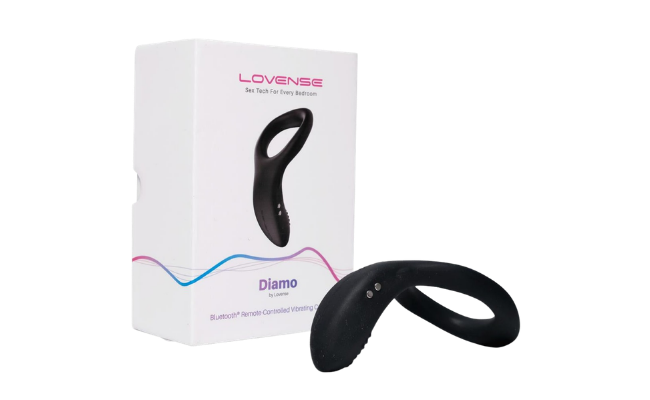
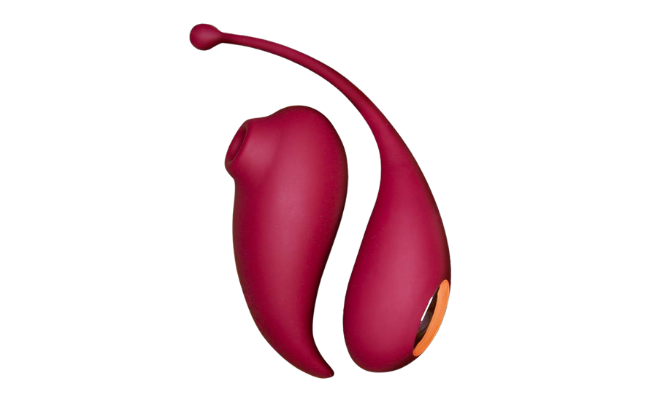
After your healthcare professional has confirmed that external genital stimulation is appropriate, a small clitoral or bullet vibrator may offer controllable stimulation without penetration. Start on the lowest setting and use it around, not directly on, areas that feel tender, numb or irritated.
Dear Desire’s clitoral-vibrator collection includes compact external options, but there is no need to buy a specialised “postpartum toy.” Prioritise simple controls, a comfortable shape, easy cleaning and low intensity.
Internal toys
Do not insert a vibrator, dildo, fingers or other object until wounds have healed and your doctor or midwife says penetration is safe. When you are ready, begin smaller than you think you need, use generous lubricant and keep the session brief.
An internal toy should never be used to force the body to “open up.” If your clinician recommends vaginal trainers or dilators, ask for instructions or a pelvic-health referral. Medical devices and pleasure products are not always interchangeable.
Hygiene matters
Use a clean toy made for the intended body area. Wash it according to its material, waterproof rating and manufacturer’s instructions before and after use. Let it dry completely and store it separately.
If a toy is shared, use a new compatible condom between users and when moving from anal to vaginal use. Never move a toy from the anus to the vagina without changing the barrier and cleaning as directed.
Choose gentle, predictable controls
A toy with a genuinely low first setting and a clear off button may feel more reassuring than a high-powered design. Avoid toys that require you to cycle through every stronger mode before switching off.
Stop if you notice pain, burning, pulling, numbness, bleeding or distress. More intensity is not a treatment for reduced sensation.
Pain During Sex After Childbirth
Some tenderness or unfamiliar sensation may occur when you first return to sex, but you should not have to endure pain. Pain is information, not a challenge.
Possible contributors include:
- Vaginal dryness related to hormonal changes or breastfeeding
- Scar sensitivity after tearing or an episiotomy
- Pelvic-floor muscles that are weak, overactive or poorly coordinated
- Healing complications or infection
- Pressure on a caesarean incision
- Fear, anxiety or involuntary muscle guarding
- Conditions that existed before pregnancy
If something hurts:
- Stop the activity.
- Notice where and what the sensation is - burning, pulling, pressure, sharp pain or deep aching.
- Return to external or non-sexual touch only if that feels comfortable.
- Speak to your doctor, midwife or pelvic-health physiotherapist if pain persists, is severe or worries you.
Do not repeatedly test a painful movement to see whether your body will “get used to it.” Appropriate treatment depends on the cause. One person may need more lubricant and time; another may need scar assessment, infection treatment, pelvic-floor relaxation or trauma-informed therapy.
Pelvic-Floor Physiotherapy Can Help
Pelvic-health physiotherapists work with bladder and bowel symptoms, pelvic pain, prolapse, birth injuries, scar sensitivity and pain during sex. An assessment may look at breathing, posture, abdominal recovery, muscle coordination and only with your informed consent, internal pelvic-floor function.
Consider asking for a referral if you experience:
- Ongoing pain with penetration
- Urinary or faecal leakage
- Difficulty controlling wind
- A feeling of heaviness, dragging or bulging
- Pain or pulling around a scar
- Difficulty relaxing the pelvic floor
- Persistent numbness or altered sensation
- Anxiety about movement after a difficult birth
Pelvic-floor care is not only about strengthening. If the muscles are overactive, repeated squeezing may worsen discomfort. Individual assessment matters.
Desire After a Baby
Low desire after childbirth is common. Healing, hormones, breastfeeding, medication, sleep loss, body changes, relationship strain and depression or anxiety can all contribute.
Desire is not always spontaneous. Sometimes it is responsive: interest appears after safety, rest and welcome touch begin. That does not mean agreeing to sex you do not want in the hope that desire will eventually arrive. It means you may choose a low-pressure form of closeness and remain free to stop.
It may help to ask what turns desire off before asking what turns it on. Pain, resentment, fear of another pregnancy, uneven childcare, lack of privacy and constant interruption are powerful brakes.
Supplements or “libido enhancers” cannot solve exhaustion, untreated pain, relationship pressure or postnatal depression. Speak to a healthcare professional before using any product marketed for libido, especially while breastfeeding or taking medication.
Postpartum Mental Health and Birth Trauma
The postnatal period can bring tearfulness and emotional changes, but persistent sadness, anxiety, panic, hopelessness, rage, detachment or intrusive thoughts deserve support. A traumatic birth may also make medical touch, nudity, penetration or certain positions feel unsafe.
Seek professional help if you are struggling to function, feel disconnected from yourself or your baby, or remain distressed by the birth. Urgent help is needed if you have thoughts of harming yourself or someone else, feel unable to keep yourself or the baby safe, or experience hallucinations, severe confusion or beliefs that others do not share.
In South Africa, contact your doctor, maternity unit or emergency services. The South African Depression and Anxiety Group also provides mental-health and suicide-crisis support. You do not need to wait until things feel unbearable before asking for help.
A partner can help by listening without trying to persuade, taking over practical tasks, supporting appointments and respecting boundaries. Sex is never treatment for trauma.
Contraception and Safer Sex After Birth
Fertility can return before the first period, and pregnancy is possible within weeks of giving birth. Breastfeeding does not automatically prevent pregnancy.
If you do not want another pregnancy now, discuss contraception with your doctor, midwife or clinic. Options may include condoms, a progestogen-only pill, injection, implant or intrauterine contraception, depending on timing, breastfeeding, health history and personal preference.
The lactational amenorrhoea method works only under specific conditions involving the baby’s age, exclusive or near-exclusive breastfeeding and the absence of periods. Do not assume any breastfeeding routine is contraceptive without professional guidance.
Condoms can help prevent pregnancy and reduce the risk of many sexually transmitted infections when used correctly. Use a new condom for every sexual act and check lubricant compatibility. Browse Dear Desire’s condom collection if barrier protection is part of your plan.
If there is a possibility of STI exposure, arrange appropriate testing. A committed relationship, pregnancy or recent birth does not make sexual-health conversations unnecessary.
When to Contact a Healthcare Professional
Ask for medical advice if you have:
- Pain that is severe, worsening or continues despite slowing down and using lubricant
- Heavy or unexpected bleeding
- Foul-smelling discharge
- Fever, chills or feeling acutely unwell
- Increasing redness, swelling, discharge or opening around a wound
- Deep pelvic pain
- Urinary burning, difficulty emptying the bladder or new loss of bladder or bowel control
- A vaginal bulge, persistent heaviness or pressure
- Pain, redness or swelling in a leg, chest pain or shortness of breath
- Distress, anxiety, intrusive thoughts or low mood that feels persistent or difficult to manage
Sudden heavy bleeding, chest pain, trouble breathing, collapse, seizures, severe confusion or thoughts of immediate harm require urgent medical care.
Frequently Asked Questions About Sex After Childbirth
Do I have to wait six weeks to have sex after giving birth?
Six weeks is a common postnatal review point, not a universal deadline. Healing differs, and some people need longer. Wait until bleeding and wounds have been assessed, obtain individual guidance after complications, and resume only when you feel ready.
Does being cleared at my postnatal check mean sex will not hurt?
No. A check-up can confirm aspects of physical healing, but dryness, scar sensitivity, pelvic-floor tension and emotional readiness can still affect comfort. Stop if sex hurts and seek help if pain continues.
Is low desire normal after having a baby?
Yes. Hormonal shifts, breastfeeding, fatigue, stress, healing, body changes and mental health can all reduce desire. There is no correct timetable for its return.
Why am I dry even when I feel attracted to my partner?
Lower oestrogen after birth, especially while breastfeeding, can reduce vaginal lubrication. Arousal and physical lubrication are not identical. A compatible lubricant can help, but persistent soreness or pain should be assessed.
Can I use a vibrator after giving birth?
Ask your healthcare professional when genital stimulation and insertion are appropriate for your recovery. Once cleared, a gentle external vibrator may feel more manageable than penetration. Internal toys should wait until wounds have healed and penetration is medically appropriate.
Can I have sex after a caesarean sooner because I did not give birth vaginally?
Not necessarily. The uterus, cervix and placental site still heal after a caesarean, and the abdominal incision needs time. Labour may also have affected the pelvic floor. Follow your clinician’s guidance.
What lubricant is best after childbirth?
A simple water-based lubricant is broadly compatible with condoms and sex toys. Sensitive tissue may respond better to an unflavoured formula without warming or cooling effects. Check ingredients and stop if irritation occurs.
Can breastfeeding prevent pregnancy?
Not by itself. Breastfeeding acts as contraception only when strict criteria are met, and fertility may return before the first period. Discuss a reliable postpartum method with a healthcare professional.
Is bleeding after postpartum sex normal?
Light spotting can have several causes, including dryness or healing tissue, but bleeding should not be ignored if it is heavy, repeated, painful or worrying. Stop and contact your healthcare professional for advice.
What if my partner is ready and I am not?
You do not owe sex. Explain what kind of connection, if any, feels welcome. A caring partner may have feelings about the change, but must respect your boundary without bargaining, guilt or pressure.
When should I see a pelvic-floor physiotherapist?
Ask for help if you have ongoing pain, leakage, heaviness, a bulge, scar problems, difficulty relaxing or concerns about returning to sex or exercise. You do not need to wait for symptoms to become severe.
Will sex eventually feel the same as before?
It may, but “the same” does not have to be the goal. Bodies and preferences can change. With healing, communication and appropriate support, many people build a satisfying sex life that may be familiar in some ways and new in others.
A Gentle Return, on Your Terms
Sex after childbirth is not a milestone you must reach by a particular week. It is an invitation you can accept, delay, reshape or decline according to your recovery and desire.
Begin with what feels safe. Let intimacy include rest, affection and honest conversation. Use lubricant generously, choose reliable contraception, and treat pain as a reason to stop, not something to overcome. If toys become part of the journey, introduce them only after appropriate clearance and choose gentle, controllable stimulation.
Most importantly, allow the definition of connection to change. You are not trying to prove that your body or relationship has returned to its old form. You are learning what comfort, desire and pleasure look like in a new season and you deserve to do that with patience, respect and support.


Leave a comment
This site is protected by hCaptcha and the hCaptcha Privacy Policy and Terms of Service apply.