





Article: Sex After Menopause: A Practical Guide to Comfort, Desire and Pleasure
Sex After Menopause: A Practical Guide to Comfort, Desire and Pleasure
Menopause can change the way sex feels, but it does not write the ending of your intimate life.
For some people, this stage brings freedom: no periods, less concern about pregnancy and a stronger sense of what they want. For others, perimenopause or menopause arrives with vaginal dryness, discomfort, disrupted sleep, lower desire, slower arousal or changes in orgasm. Many experience a mixture of both.
None of these experiences means that you are broken, less attractive or no longer a sexual person. It simply means that your body, circumstances or needs may have changed. The kindest response is not to force yourself back into an old pattern. It is to learn what feels good now.
This guide explores sex after menopause with honesty and warmth. It covers comfort, desire, communication, lubricants, sex toys, non-penetrative intimacy and the signs that deserve medical attention. Whether you are partnered, dating or exploring alone, the goal is the same: pleasure that feels safe, wanted and genuinely good in your body.
First, What Do Perimenopause and Menopause Mean?
Perimenopause is the transition leading up to menopause. Hormone levels may fluctuate during this time, and periods can become irregular. Symptoms may begin years before periods stop completely.
Menopause is reached after 12 consecutive months without a menstrual period when there is no other medical explanation. The years after that point are called postmenopause. Menopause can also happen earlier because of surgery, certain medical treatments or primary ovarian insufficiency.
These distinctions matter because sexual changes can begin during perimenopause, not only after the final period. They also vary widely. One person may notice a sudden difference in comfort or desire, while another experiences little change.
There is no correct amount of sex to want at any age. A satisfying sex life is not measured by frequency, penetration or orgasm. It is measured by whether your experiences are consensual, comfortable and meaningful to you.
How Menopause Can Affect Sex
Sexuality is shaped by far more than hormones. Physical health, sleep, medication, stress, relationship dynamics, body image, privacy, caregiving responsibilities and previous sexual experiences can all influence desire and pleasure.
During the menopause transition, several of these factors may overlap.
Vaginal and vulval changes
Lower oestrogen levels can affect the vulva, vagina and urinary tract. The tissues may become drier, thinner, less elastic or more easily irritated. Natural lubrication may take longer to appear or may be reduced even when you feel mentally interested in sex.
These changes are often grouped under the term genitourinary syndrome of menopause, or GSM. Possible symptoms include:
- Vaginal dryness
- Burning, itching or irritation
- Pain or discomfort during penetration
- Spotting or bleeding after sexual activity
- Urinary urgency, burning or recurrent urinary tract infections
- A feeling of tightness or reduced flexibility
GSM is common and treatable. It is not something you have to silently tolerate, and it is not always resolved by simply spending longer on foreplay. Arousal can help with natural lubrication, but hormone-related tissue changes are physical and may need their own support.
Changes in desire
Some people notice less interest in sex. Others want sex just as often as before, or more. Desire may also become more responsive than spontaneous.
Spontaneous desire feels like wanting sex before anything sexual has begun. Responsive desire develops after closeness, affectionate touch or enjoyable stimulation starts. You may not begin the evening feeling intensely interested, yet find that desire appears once you feel relaxed, connected and physically comfortable.
Responsive desire is not consent to continue regardless of how you feel. It is an invitation to begin with low-pressure affection or touch and notice whether genuine interest grows. If it does not, stopping is always a complete and valid outcome.
Slower or different arousal
Your body may need more time, more direct stimulation or a different kind of touch than it once did. The sensations that used to work quickly may feel less effective, while pressure, vibration or a slower build-up may feel better.
This is not a failure. Think of it as updated information from your body. Pleasure often becomes easier when you stop trying to recreate an old response and start getting curious about the response available now.
Changes in orgasm
Orgasms may take longer, feel less predictable or require more consistent stimulation. Some people notice that contractions feel different. Others find that greater self-knowledge, more direct clitoral stimulation and less concern about pregnancy make orgasm easier.
An orgasm does not have to be the target of every intimate experience. Removing that deadline can reduce pressure and make room for sensation, connection and enjoyment - sometimes making orgasm more likely, but never making it compulsory.
Fatigue, sleep and mood
Hot flushes, night sweats and poor sleep can make touch feel less appealing. Mood changes, anxiety or depression may affect sexual interest, while some antidepressants and other medicines can influence desire, arousal or orgasm.
If a sexual change began after starting or changing medication, speak to the prescribing healthcare professional. Do not stop prescribed medication on your own. There may be alternative medicines, doses or ways of managing the side effect.
Body confidence and relationship changes
Midlife can bring body changes, new relationships, divorce, grief, caregiving, children leaving home (or returning home) and shifts in a partner’s health. These experiences can affect privacy, energy and confidence.
It may help to remember that desirability is not a dress size, age or hormone level. Feeling at home in your body can take time, especially when that body is changing. Intimacy works better when it begins with compassion rather than criticism.
Pain Is Information, Not a Challenge to Overcome
One of the most important rules for sex after menopause is simple: do not push through pain.
Pain can make the body brace in anticipation. Muscles tighten, arousal becomes harder and the next attempt may hurt sooner. Over time, this pain–tension–fear cycle can make intimacy feel stressful even before touch begins.
Stopping is not giving up. It protects trust in your body and between partners.
If something hurts:
- Pause or stop the activity.
- Check whether you want to continue in a different way.
- Add more lubricant if dryness or friction may be involved.
- Reduce depth, pressure or speed.
- Switch to external touch or another comfortable activity.
- Seek professional advice if pain is new, recurring or persistent.
Avoid numbing creams for painful sex unless a qualified healthcare professional has specifically recommended one. Numbness can hide the signals that tell you tissue is being irritated or injured.
Pain during sex can have several causes besides menopause, including infection, skin conditions, pelvic floor tension, endometriosis or other medical concerns. You do not need to diagnose it yourself.
Lubricant and Vaginal Moisturiser Are Not the Same Thing
These two products are often confused, but they have different jobs.
Lubricant helps during sexual activity
Lubricant reduces friction during partnered sex, masturbation, finger play or toy use. It is applied when you need it and can be reapplied at any point.
Using lubricant does not mean that you are not aroused. Natural lubrication and emotional desire do not always move together, especially during perimenopause and after menopause. Lube is simply a practical comfort tool.
For many people, a generous amount works better than a cautious drop. Apply it to the vulva and vaginal opening as well as fingers, a partner’s body or a toy. If friction returns, pause and add more.
Water-based lubricants are a versatile starting point. They are generally compatible with condoms and sex toys and are easy to wash away, although some formulas may need reapplication.
Silicone-based lubricants usually offer a longer-lasting glide. They can be useful when water-based lube dries too quickly, but compatibility with silicone toys varies. Check the instructions for both products and spot-test on a small, less visible area of the toy if the manufacturer recommends it.
Oil-based products can damage latex condoms and may also be incompatible with polyisoprene condoms. If condoms are part of your safer-sex or contraception plan, follow the condom manufacturer’s lubricant instructions.
If tissues are sensitive, begin with a simple, unflavoured formula and avoid assuming that warming, cooling or tingling automatically means better. Added sensations can feel irritating when tissue is already dry or tender.
Vaginal moisturiser supports ongoing dryness
A vaginal moisturiser is made for regular use, rather than only at the time of sex. It can help with day-to-day vaginal dryness and discomfort. It is different from body lotion and should be specifically formulated for vaginal use.
Never insert ordinary moisturiser, fragranced body products or perfumed washes into the vagina. Douching is also unnecessary and may cause irritation.
Some people use a vaginal moisturiser regularly and lubricant during sexual activity. If over-the-counter options do not help, a doctor or other qualified clinician can discuss prescription treatments.
A More Comfortable Approach to Intimacy
When sex has started to feel uncomfortable or pressured, the answer is rarely to try harder. A better approach is to make the experience slower, broader and more flexible.
1. Take penetration off the agenda temporarily
Penetration is one form of sex, not the definition of sex. Kissing, massage, mutual masturbation, oral sex, external vibration, erotic conversation and skin-to-skin touch can all be complete intimate experiences.
Removing penetration as an expectation gives the nervous system room to relax. It also lets you learn what is pleasurable without constantly checking whether your body is “ready” for the next step.
If penetration becomes comfortable and wanted later, it can return. If it does not, your intimate life is still real and valuable.
2. Begin before you are exhausted
Many couples leave intimacy until the very end of the day, when both people are tired and patience is low. If sleep disruption or fatigue is part of menopause, consider a different time.
A weekend morning, an unrushed afternoon or even ten minutes of affectionate touch before dinner may suit your energy better. Scheduling intimacy does not make it unromantic. It can protect time for something that matters.
Scheduling also does not create an obligation to have sex. It simply creates a private window in which you can connect and decide together what feels welcome.
3. Allow a longer warm-up
Your body may now prefer a gradual transition into sexual touch. Start with whatever helps you feel present: a warm shower, comfortable bedding, a massage, conversation, music or gentle touch that is not immediately genital.
More time is useful only when the touch itself feels good. “Longer foreplay” should not mean enduring twenty minutes of something you do not enjoy. Give clear guidance: more pressure, less pressure, slower, to the left, stay there or stop.
4. Use positions that give you control
If vaginal penetration is comfortable and desired, positions that let the receiving partner control depth, angle and pace may feel easier. Shallower penetration may be more comfortable than deep thrusting.
Pillows can support the hips, knees or lower back. Small adjustments often matter more than complicated positions. Keep lubricant within reach so that adding more does not interrupt the mood.
5. Build predictability after pain
If sex has hurt before, agree on a clear plan before you begin. For example:
- No penetration tonight
- External touch only unless the receiving partner asks for more
- A pause word that means all movement stops immediately
- A check-in before any change in pressure or activity
- No disappointment, persuasion or sulking if either person stops
Predictability rebuilds safety. When your body trusts that “stop” will be respected, relaxing and noticing pleasure can become easier.
Can Sex Toys Help During Menopause?
Sex toys can be useful tools, but they are not medical treatment and they should never be used to override pain.
Their main advantage is consistency. A toy can provide steady vibration or pressure without tiring, which may help when arousal or orgasm takes longer. It can also make solo exploration easier, allowing you to discover what now feels comfortable before explaining it to a partner.
External vibration is often a gentle place to begin
An external vibrator does not require penetration. It can be used over underwear at first, around the vulva, on the inner thighs or near the clitoris rather than directly on it.
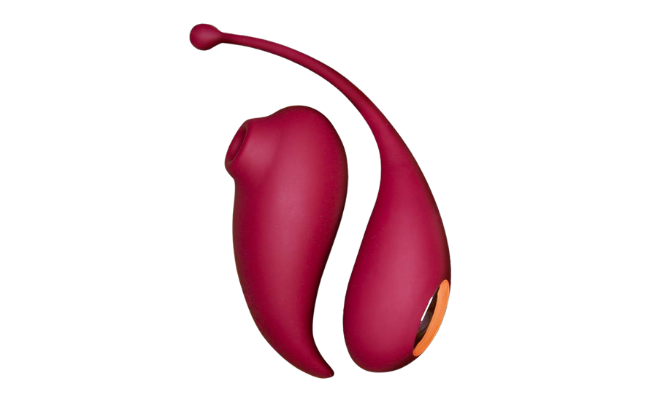
Bullet vibrators are compact and easy to guide by hand. Clitoral vibrators include a wider range of shapes and stimulation styles. The best option is not necessarily the strongest one; look for several intensity settings and controls that are easy to change without breaking concentration.
Start on the lowest setting. Hold the toy beside the clitoris rather than directly on the most sensitive point, and move closer only if that feels good. A folded blanket, underwear or soft cloth can buffer vibration if even the lowest setting feels intense.
Internal toys are optional
There is no need to use an insertable toy to have a fulfilling experience. If you want internal stimulation, choose a smooth toy with a modest insertable width and a shape that feels easy to control. Use plenty of compatible lubricant and proceed slowly.
Never use a toy to force or rapidly “stretch” through pain. Vaginal dilators are medical devices designed for gradual therapeutic use and may be recommended for certain concerns. If you are dealing with persistent tightness, pain, scarring or changes after cancer treatment, guidance from a pelvic-health physiotherapist or clinician can make the process safer and more effective.
Focus on control, not performance
A suitable toy should help you adjust the experience to your body. Useful features may include:
- Low, gradual intensity settings
- A comfortable handle or easy-to-reach buttons
- A smooth surface without sharp seams
- A shape you can hold without hand strain
- Clear material and care information
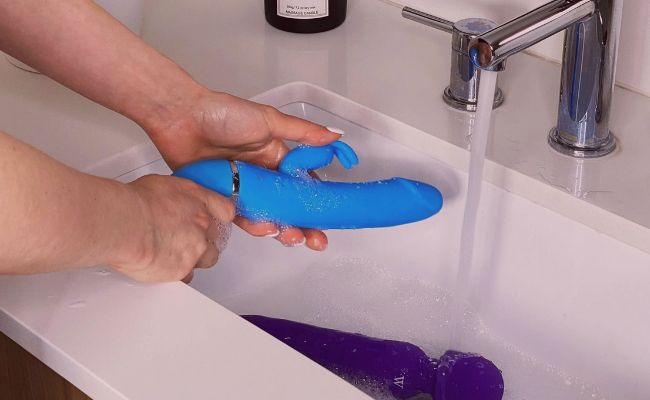
- A waterproof rating that suits how you intend to clean or use it
If sensation feels reduced, resist immediately turning a vibrator to its maximum setting. Begin low and build gradually. Very intense or prolonged vibration can cause temporary numbness; pause and allow sensation to return if this happens.
Explore Dear Desire’s vibrators by the experience you want, but let comfort, not popularity or power, guide the final choice.
What If Your Desire Has Changed?
Low desire is not always a problem that needs fixing. The important question is whether the change bothers you.
If you feel content with less sex, there is no universal standard you are failing to meet. If you miss desire, feel distressed or notice that intimacy has become difficult in your relationship, it may help to look at the full picture.
Ask yourself:
- Am I in pain, dry or worried that sex will hurt?
- Am I sleeping poorly or constantly tired?
- Do I feel emotionally safe and respected with my partner?
- Is the kind of sex available to me actually the kind I enjoy?
- Do I have enough privacy and unhurried time?
- Has a medication or health condition changed?
- Do I feel pressure to perform or reach orgasm?
- Do I feel connected to my body outside sexual situations?
Desire often struggles when sex has become associated with pain, duty or disappointment. Treating discomfort and changing the emotional context may matter more than buying a product labelled as a libido booster.
Be cautious with supplements or topical products that promise to “restore hormones,” guarantee arousal or cure low libido. Natural does not automatically mean safe, and supplements can interact with medicines or health conditions. Discuss persistent or distressing desire changes with a healthcare professional who is comfortable talking about sexual health.
How to Talk to a Partner About Menopause and Sex
Menopause symptoms can be easy for a partner to misread. Less initiation may be interpreted as rejection. Needing more time may be mistaken for lack of attraction. Pain may be hidden to protect a partner’s feelings, creating more distance over time.
A calm conversation outside the bedroom can prevent both people from filling the silence with inaccurate assumptions.
You might say:
“I still want closeness with you, but my body needs a different pace now. I would like us to explore what feels comfortable together.”
Or:
“Penetration has been uncomfortable lately. I don’t want to push through it, but I do want us to stay connected. Can we take penetration off the table for now and focus on touch that feels good?”
Or:
“My desire does not always appear before we start anymore. I may enjoy beginning with affection and seeing whether interest develops, as long as there is no pressure to continue.”
A supportive partner does not take pain personally, bargain with a boundary or treat a change in sexual routine as a verdict on the relationship. They listen, adjust and remain interested in your comfort.
Both partners are allowed to have feelings about change. The aim is not to avoid disappointment forever; it is to manage feelings without turning them into pressure. A couples counsellor or qualified sex therapist can help when conversations repeatedly become defensive, distant or painful.
A Gentle Reset for Couples
If intimacy has become tense, try a two-week reset. This is not a treatment plan, just a way to replace performance with curiosity.
Agree on the purpose
The goal is connection and information, not penetration or orgasm. Either person can stop at any time.
Choose short, manageable sessions
Set aside 15 to 30 minutes when you are unlikely to be interrupted. A short experience that ends well is more useful than a long one that becomes tiring or uncomfortable.
Begin with non-sexual touch
Take turns giving and receiving touch on neutral areas such as the hands, shoulders, scalp or back. The receiving partner can guide pressure and pace.
Add sensual touch only by agreement
If both people want to continue, expand to more intimate areas without assuming that penetration follows. Lubricant, massage or external vibration can be included.
End while it still feels good
You do not have to keep escalating. Stop, cuddle, talk or return to your day. Afterwards, each person can name one thing they enjoyed and one thing they would change next time.
This kind of reset helps separate intimacy from the idea that every touch must lead somewhere.
Solo Exploration Can Help You Learn What Has Changed
Masturbation is not only for people without partners. It can be a private way to rediscover sensation without managing another person’s expectations.
Start with comfort rather than a goal. Notice whether your body now prefers broader pressure, a slower rhythm, indirect clitoral touch or longer pauses. Try lubricant even if you did not use it in the past. If you use a vibrator, begin low and experiment with placement rather than treating intensity as the only variable.
You may discover that pleasure is still readily available but needs a new route. You may also notice pain, burning or persistent numbness that you want to discuss with a healthcare professional.
What you learn alone can become useful language with a partner: “steady pressure feels better than quick movement,” or “external touch is comfortable, but penetration is not right now.” Specific information is often easier to act on than a general instruction to “try harder.”
Medical Support for Menopause-Related Sexual Changes
Self-care and products can help, but they are only part of the picture. A qualified healthcare professional can assess whether symptoms are related to menopause or something else and discuss appropriate treatment.
Depending on your symptoms, medical history and what is available in South Africa, options may include:
- Non-hormonal vaginal moisturisers and lubricants
- Low-dose vaginal oestrogen in forms such as a cream, tablet or ring
- Other prescription treatments for genitourinary symptoms
- Systemic menopausal hormone therapy when broader menopause symptoms are present and treatment is suitable
- Pelvic-health physiotherapy for pelvic floor tension, weakness or pain
- Support from a psychologist, couples counsellor or sex therapist
- Review of medicines or health conditions that may affect sexual function
Treatment is individual. Hormone therapy is not suitable for everyone, and decisions should be made with a clinician who knows your medical history. If you have had breast cancer or another hormone-sensitive cancer, involve your oncology or specialist team before using hormonal treatment.
If a clinician dismisses sexual discomfort as “just ageing,” it is reasonable to seek another opinion. Comfort, sexual wellbeing and quality of life matter at every age.
When to See a Healthcare Professional
Arrange a medical assessment if:
- Dryness or pain has lasted for several weeks or is affecting daily life
- Over-the-counter lubricant or vaginal moisturiser is not enough
- You experience bleeding after sex, between periods or after menopause
- You have unusual discharge, a new odour, sores, severe itching or skin changes
- You have burning when urinating, urinary urgency or recurrent UTIs
- Penetration feels impossible or causes persistent pain
- A sudden change in desire, arousal or orgasm concerns you
- Symptoms began after a medicine change or medical treatment
- You are unsure whether a product or hormone treatment is safe with your health history
Postmenopausal bleeding should always be checked by a healthcare professional, even if it happens only once or seems to follow friction.
Seek urgent care for severe pain, heavy bleeding or symptoms that make you acutely unwell.
Safer Sex Still Matters After Menopause
Menopause does not protect against sexually transmitted infections. Condoms and other barriers remain important with new or non-exclusive partners, along with testing conversations that are respectful and matter-of-fact.
During perimenopause, pregnancy may still be possible even when periods are irregular. Ask a healthcare professional how long you need contraception rather than relying on missed periods alone.
If you use condoms, confirm that your lubricant is compatible with the condom material. Oil-based products can damage latex and polyisoprene condoms.
Frequently Asked Questions About Sex After Menopause
Is it normal to lose interest in sex during menopause?
Desire can decrease, increase or stay the same. Hormones are only one influence; sleep, discomfort, medication, stress, relationship dynamics and whether the available sex is pleasurable all matter. A change needs attention when it bothers you, not simply because it differs from someone else’s idea of normal.
Why am I dry even though I feel turned on?
Emotional arousal and natural lubrication are related but not identical. Menopause-related tissue changes can reduce lubrication even when desire is present. Using lubricant is a practical response, not evidence that attraction or arousal is missing.
What is the best lubricant for menopause?
There is no single best formula for everyone. Water-based lubricant is a versatile starting point and generally works with condoms and toys. Silicone-based lubricant lasts longer but may not suit every silicone toy. Choose a simple formula if you are sensitive, follow product instructions and stop using anything that burns or irritates.
Is painful sex after menopause normal?
It is common, but it should not be accepted as inevitable. Dryness and GSM can contribute, but infection, skin conditions and pelvic floor problems are also possible. Do not push through recurring pain; seek assessment and treatment.
Can a vibrator help after menopause?
A vibrator may provide steady external stimulation when arousal or orgasm takes longer. Choose adjustable intensity, start low and use lubricant where appropriate. It should feel pleasurable, never painful, and it does not replace medical care for persistent symptoms.
Do I have to use an insertable toy?
No. External touch and clitoral stimulation can be complete forms of pleasure. If penetration is uncomfortable or simply not appealing, there is no reason to make it the goal.
Can I use a vibrator with vaginal oestrogen?
Often these can be part of the same overall care plan, but follow the instructions for your prescription and ask the prescribing clinician about timing, irritation and any personal restrictions. Do not assume general product advice overrides medical guidance.
Will having more sex fix vaginal dryness?
Sexual stimulation may support blood flow and can be comfortable for some people, but it is not a cure and sex should never be prescribed as something to endure. Lubricants, vaginal moisturisers and medical treatments may be needed. Only engage in sexual activity that is wanted and comfortable.
Why does orgasm take longer now?
Changes in hormones, sensation, blood flow, medication, sleep, mood and stimulation can all play a role. More direct or consistent clitoral stimulation, additional time and less performance pressure may help. A sudden or distressing change is worth discussing with a clinician.
Is bleeding after sex caused by dryness?
Dry or fragile tissue can bleed, but bleeding after sex, especially after menopause, should be medically assessed rather than self-diagnosed.
Can menopause improve sex?
Yes, for some people. Greater self-knowledge, clearer boundaries, freedom from periods and reduced pregnancy concerns can make sex more confident and satisfying. For others, physical symptoms need attention before pleasure feels accessible again. Both experiences are valid.
Pleasure Can Change Without Disappearing
The most helpful question after menopause is not, “How do I get my old sex life back?” It is, “What would make intimacy feel good in the body and life I have now?”
The answer may include more lubricant, longer warm-up, external stimulation, a small vibrator, different timing, medical treatment or an honest conversation. It may mean less penetration, more solo exploration, a slower pace or redefining what a satisfying encounter looks like.
You are allowed to adapt. You are allowed to stop when something hurts. You are allowed to want more sex, less sex or a completely different kind of intimacy.
Menopause is a transition, not an expiry date. With accurate information, appropriate care and a willingness to listen to your body, pleasure can remain a rich and evolving part of life.


Leave a comment
This site is protected by hCaptcha and the hCaptcha Privacy Policy and Terms of Service apply.